

Home » Blog » Parenting Tips » How to Improve Daily Routines Using Habit Hooks
How to Improve Daily Routines for Busy Parents using Habit Hooks
- By: Lucy
- Updated: February 27, 2026
- No Comments

As parents, there’s always so much to do and never enough time. The mental load of remembering everything can feel overwhelming. That’s where Habit Hooks come into play. Habit Hooks, as I call them, are tiny tasks attached to habits you already have, so you free mental space and keep your home flowing smoothly.
Inside This Post
A Closer Look at Habit Hooks
When you brush your teeth in the morning, you’re already in the bathroom. See if you can wipe the mirror or empty the trash while you’re there.
When your children are done showering and you’re spraying the daily shower cleaner, you might also wipe the tub edges or shine the faucet handles.
Even though these actions are small, they build up over time and make a big difference.
When you’re in the kitchen already waiting for the oven timer to ring, or your coffee to brew, engage in mini tasks that need to be done. In those few minutes, unload the dishwasher, wipe the counters, or even prep the dry mix for tomorrow’s pancakes.
Since you’re already in the space, it takes only a minute, but over time, these minor tasks make your home more organized and your day less stressful.
Why It Works
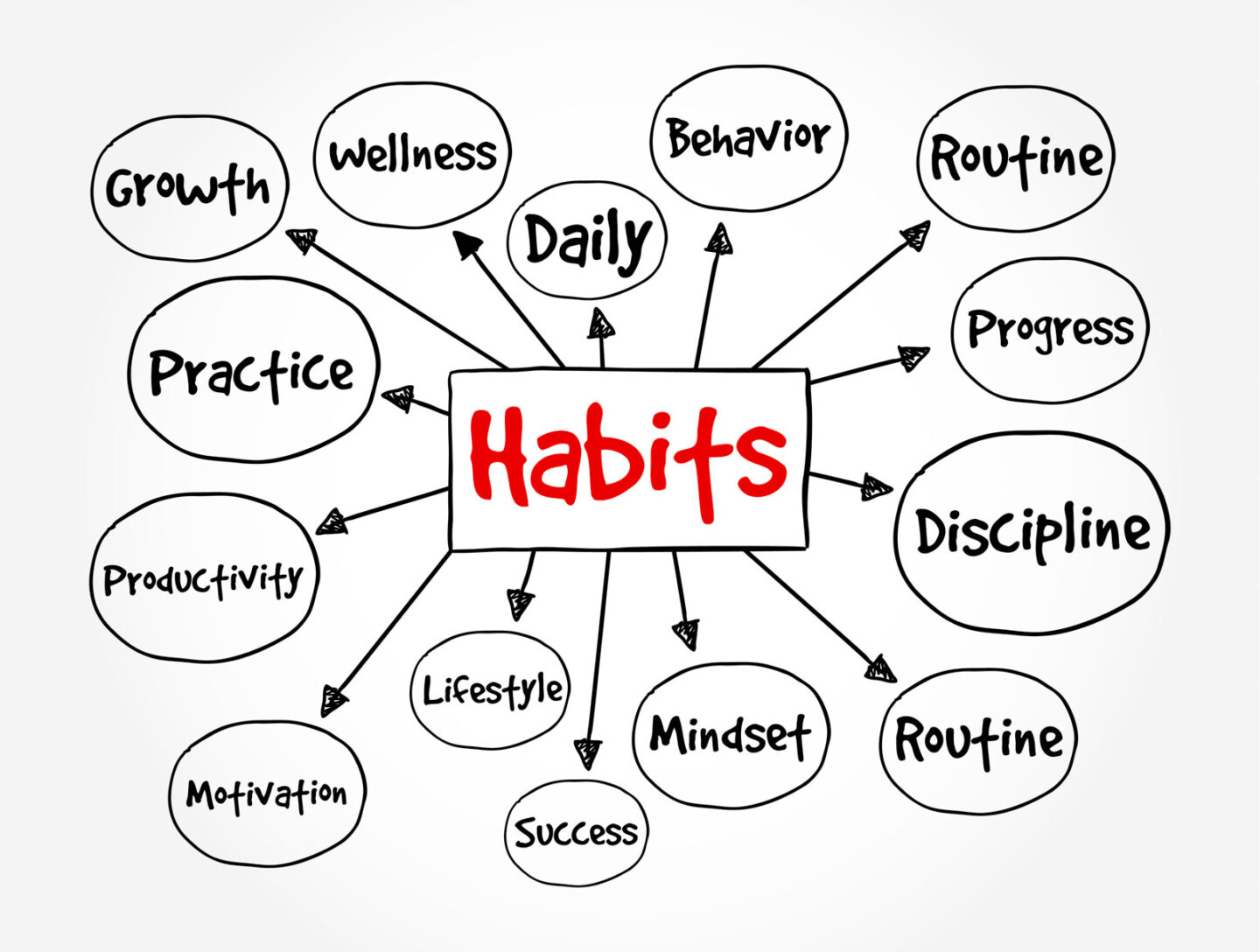
Your brain is wired to repeat routines. The trick is: instead of adding a brand-new task that feels big and overwhelming, you hook a new task onto something you already do. The concept is known as habit stacking in psychology. (Cleveland Clinic)
For example: “After I brush my teeth, I will wipe the bathroom mirror.” The old habit (brushing your teeth) becomes the cue for the new mini addon task. That makes the new behavior much easier to follow through. (James Clear, Atomic Habits)
Habit Hook is a practical twist to the approach of habit building. Instead of building new personal habits, you’re “hooking” small, real-life tasks onto routines that already exist. These aren’t big “self-improvement” goals; they’re quick wins that make your home feel calmer and your mental load lighter. Something that everyone needs!
So while habit stacking helps you grow, Habit Hooks enables you to keep it all together. If you’re wondering about the psychology behind this method, the short answer is this: Habit Hooks reduces friction.
It makes small tasks easier by connecting them to routines you already do every day. That means less mental effort, and over time, you’ll feel those small wins start to happen automatically. (National Library of Medicine)
How to Get Started
- Pick your anchor habits. Choose things you already do daily, like brushing your teeth, making coffee, or choosing your outfit for the day.
- Add one mini task. Match it to the moment or setting. After brewing coffee, unload the dishwasher. After choosing clothes, drop one unworn item into a donation bag.
- Use the “After / Before” formula. “After I [existing habit], I will [tiny new task].” Being specific helps.
- Start small. It’s okay if you only do one mini-task a day. The power is in consistency, not volume.
- Celebrate your little wins. When you wipe that mirror or clear that counter, pause and acknowledge it. That small reward helps the habit stick.

Examples for Busy Moms
- After I brush my teeth, I’ll wipe the bathroom mirror and sink faucet.
- While the oven is preheating, I’ll unload the dishwasher or clear the counters.
- When I pick out the boys’ clothes, I’ll choose one piece they’ve outgrown and add it to the donation bag.
- When I am baking, I’ll prep the dry pancake mix for tomorrow’s breakfast.
- Before lunch, I’ll start a load of laundry or fold one small basket.
- When preparing lunch or waiting for it to cook, I chop up some vegetables or herbs I’ll be using to prepare dinner.
- While I make my coffee, I’ll take out the meat for dinner so it has time to thaw.
Why It's Especially Helpful for Mental Load
As a parent, you’re juggling so many roles: cook, cleaner, scheduler, teacher, and everything in between. When you use an approach like Habit Hooks, you’re offloading small responsibilities into moments that already exist.
That means fewer things weighing on your mind later. Each small task completed becomes a mini win.
Over time, these wins build momentum. You move through your day feeling more in control, not because you did more, but because you worked smarter and productively with the time you already had.

Try It Today
Pick one established habit for tomorrow and one tiny new task. Write it down:
“After I [establish habit], I will [mini task].”
Example: After I brush my teeth, I will wipe the bathroom mirror.
When tomorrow comes, do it and notice how it feels. These small, intentional actions make life smoother, one Habit Hook at a time.
Similar Posts You May Enjoy

Lucy
Mom, wife, educator, and the heart behind Mom, What Did You Make? Inspired by my son’s daily question, this blog began as a way to share our favorite Dominican recipes and has grown into a space for food, family, and advocacy. Here, you’ll find recipes that honor our culture, parenting insights shaped by 15 years of teaching experience, and resources to help families feel supported and empowered.
