

Home » Blog » Parenting Tips » Teaching Kids Resilience and Confidence Through Stoicism
Stoicism for Kids: Teaching Resilience and Emotional Strength
- By: Lucy
- Updated: February 27, 2026
- No Comments
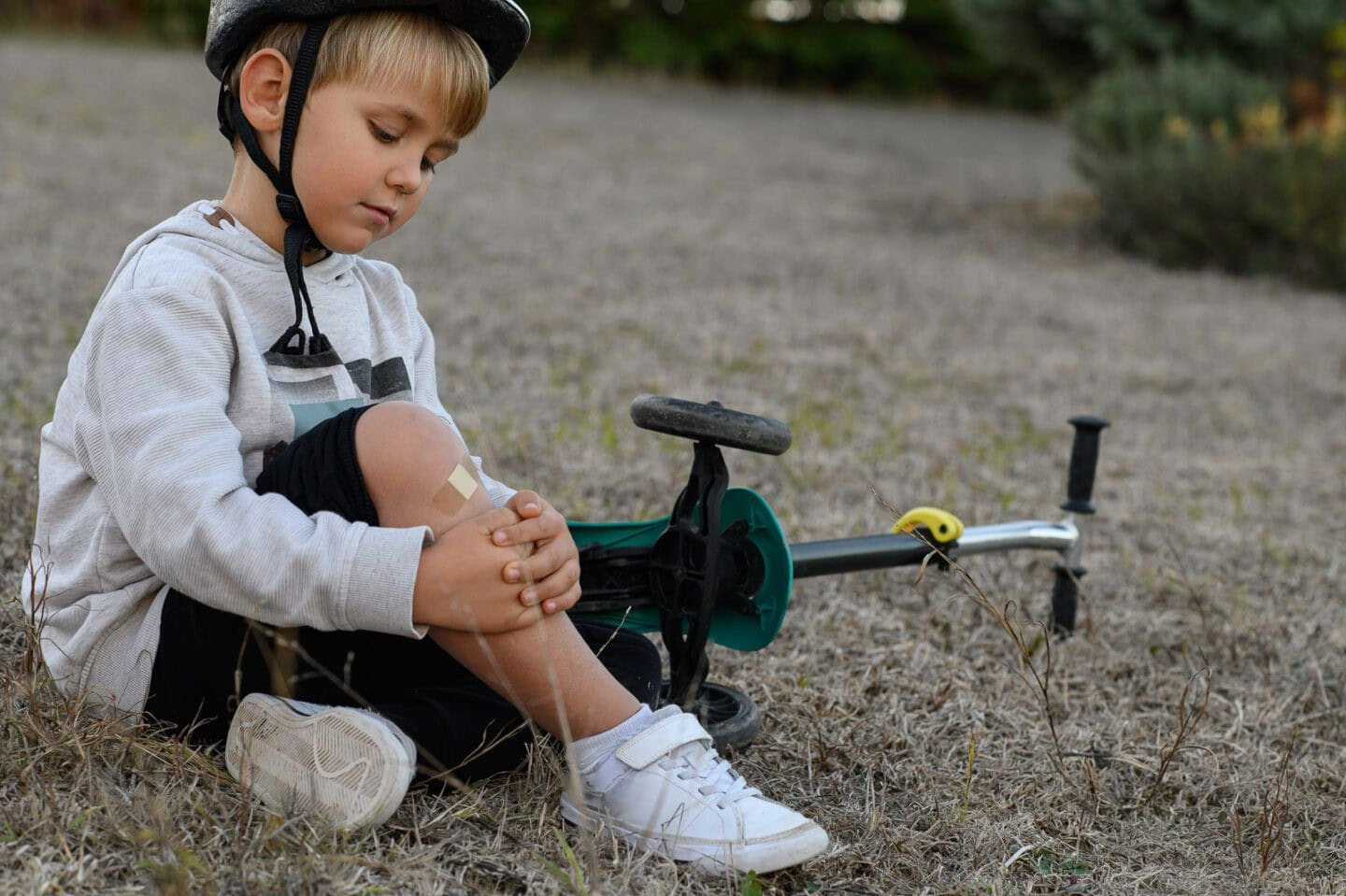
Raising children takes so much more than teaching them how to read, write, or do well in school. Stoicism for kids offers a practical way to teach children how to handle frustration, disappointment, and emotional challenges. Life will place our kids in uncomfortable, unfair, and sometimes disappointing situations. Many children struggle not because they are incapable, but because they were never taught how to cope when things feel hard.
As a mom, I feel a deep responsibility to prepare my boys for real life. Not just the happy moments, but the frustrating ones too. The moments when things do not go their way. The moments when people are unkind. The moments when effort does not immediately lead to success.
One of the tools that has shaped how I approach this is Stoicism. Not in a rigid or philosophical way, but in a practical, everyday way that fits naturally into family life.
What Is Stoicism and How Can It Help Children
Stoicism is an ancient philosophy centered on building character, focusing on what is within our control, and learning how to respond to life with calm and resilience. At its core, it teaches that happiness does not come from external things going perfectly, but from how we choose to think, act, and respond.
This mindset is especially helpful for parents looking for ways to teach kids resilience in everyday situations. When applied gently, Stoicism helps children feel stronger, more confident, and more capable of navigating the world around them.
Here are a few principles I believe every child can benefit from learning.
Inside This Post
Stoic Principles to Teach Your Child for
Resilience and Confidence
Be Grateful: Stoic Principle That Builds Emotional Resilience
Help your child notice and appreciate the good, even the small things. Gratitude shifts focus away from what is missing and toward what is already present.
Example:
If your child is upset about something that didn’t go their way, gently help them name one thing they are thankful for in that moment, such as a friend, a fun activity, or time spent together.
Stay Calm and Think Before You Act: Teaching Emotional Regulation
Strong emotions are normal. What matters is how we respond to them. Encourage your child to pause and breathe before reacting.
Example:
If someone says something unkind, instead of yelling back, take a moment to think about how you want to handle the situation.
Practice Kindness
Kindness is a choice we can make regardless of how others behave.
Example:
Sharing toys with someone who feels left out or offering help when it is needed.
Keep Trying Even When It Is Hard: Teaching Kids Perseverance
Challenges help children grow. Effort builds confidence. One affirmation I encourage my boys to repeat is, I can do hard things.
Example:
Learning to ride a bike or solve a difficult math problem feels frustrating at first, but perseverance makes progress possible.
Value Experiences and Virtues Over Things
Toys and material items are temporary. Character lasts.
Example:
Instead of focusing on not having the newest game, encourage your child to enjoy the experiences they already have.
You Can Choose How You Feel: Helping Kids Handle Frustration
Teach your child that while they cannot control other people, they can control their response. Their worth is not defined by someone else’s words or actions.
Example:
If someone teases you, you can choose not to let it affect your happiness because you know who you are.
Learn From Mistakes
Mistakes are part of learning. They are not something to fear or hide from.
Example:
If a drink spills, talk about what can be done differently next time instead of focusing on the mess.
Be Patient
Waiting is a skill. Patience is built through everyday moments.
Example:
Waiting for a turn during a game or for cookies to bake teaches children that good things take time.
Be Brave
Courage does not mean fear disappears. It means doing the right thing even when fear is present.
Example:
Speaking up for a friend when someone is being unkind can feel intimidating, but it is also an act of courage.
Why Stoicism Works So Well for Kids Today

Our children are growing up in a world that moves fast and demands constant reaction. They are surrounded by noise, comparison, and opinions from a very young age. Social situations, school expectations, and emotional pressures show up earlier than we expect, and many kids feel overwhelmed without knowing why.
Stoicism for kids teaches children that they cannot control everything around them, but they can control how they respond. It teaches them that not everything deserves their energy, that not every feeling needs to turn into an action, and that they have more control than they think. Instead of reacting to everything around them, they learn how to pause and reflect. As a result, kids begin to choose responses that align with who they are becoming.
This way of thinking helps children build inner strength. It reminds them that their value does not depend on external approval and that challenges are not something to fear, but something to learn from. In a world that constantly pulls their attention outward, Stoicism gently brings it back in.
How I Practice Stoicism at Home With My Children
I am not teaching these principles from a place of perfection. Parenting with stoicism means modeling calm responses, even when emotions feel overwhelming. I am learning these principles alongside my boys. There are days when I get frustrated, when things feel chaotic, and when emotions run high. Instead of hiding those moments, I try to use them as teaching opportunities.
What Stoicism Looks Like in Our Everyday Life:
I talk through my feelings out loud. I name frustration. I pause before reacting. I remind myself, and my children, that we can choose how we respond even when something feels unfair or difficult. Always remember that they are watching far more than they are listening.
Some days it looks like a calm conversation. Other days it is simply modeling patience, apologizing when I get it wrong, and trying again. Stoicism in our home is not rigid or perfect. It is practical and woven into everyday life.
A Final Thought
At the end of the day, teaching our children how to navigate life is less about having all the answers and more about showing up with intention.
Teaching stoicism to children gives them lifelong tools for resilience, confidence, and emotional strength. Family life is full of small moments that quietly shape who our children become. The way we respond to disappointment, handle frustration, and talk through emotions becomes part of their inner voice.
By teaching principles like resilience, gratitude, patience, and self control at home, we are giving our children tools they can carry with them long after they leave our home. Not to avoid struggle, but to face it even when they feel scared, knowing that confidence is built through courage and practice.
Similar Posts You May Enjoy









Lucy
Mom, wife, educator, and the heart behind Mom, What Did You Make? Inspired by my son’s daily question, this blog began as a way to share our favorite Dominican recipes and has grown into a space for food, family, and advocacy. Here, you’ll find recipes that honor our culture, parenting insights shaped by 15 years of teaching experience, and resources to help families feel supported and empowered.
